Mar 6, 2026
Planning for the Future: A Guide to Protecting Your Loved Ones | Lasted
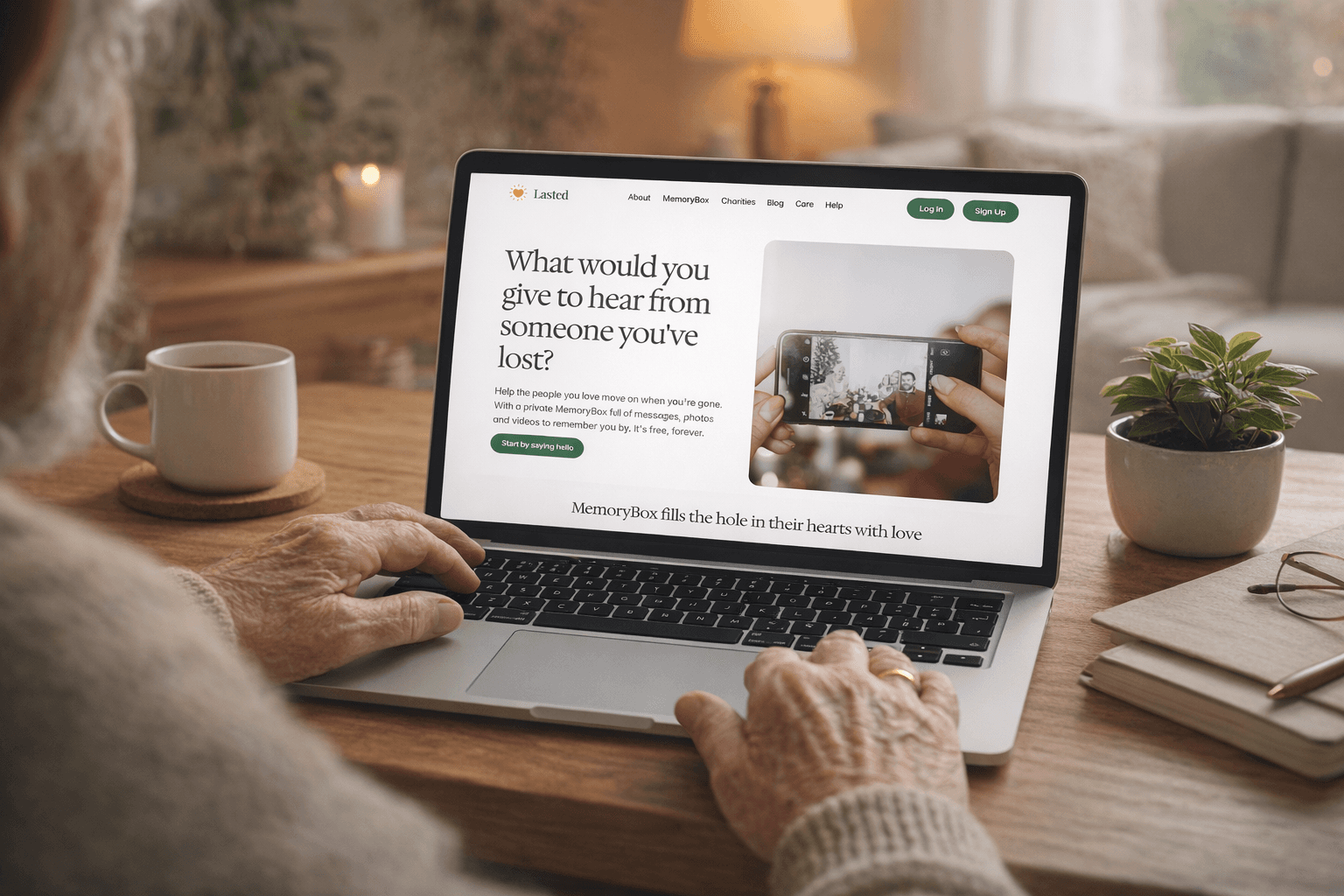
Why Planning for the Future Is the Best Gift You Can Give Your Loved Ones
We don't like thinking about it. The future, specifically, the bit where we're not around anymore. It feels uncomfortable, morbid even. But here's the thing: planning for the future isn't really about you. It's about the people you care about.
When something happens to us, the people we love are left trying to piece things together. Where are the important documents? What would you have wanted? What were your stories, your advice, your favourite memories? They're left with questions at exactly the moment when they need answers.
That's why planning for the future matters. Not because it's responsible or grown-up (though it is). But because it helps the people you love when they need it most.
What Does "Planning for the Future" Actually Mean?
Traditional estate planning focuses on the practical stuff: wills, assets, beneficiaries. That's important, but it's only part of the picture.
Real future planning is about three things:
The practical side: Making sure your loved ones know what you want and can access what they need. No guesswork. No arguments. Just clarity when everything else feels chaotic.
The emotional side: Leaving behind your stories, your voice, your personality. A video of you laughing. Photos from that holiday nobody will forget. Messages they can come back to when they miss you.
The guidance side: Sharing what you've learned. Your values. Your hopes for them. The things you'd tell them if you could.
Most people focus on the first bit and forget the rest. But it's the emotional and guidance pieces that your loved ones will treasure most.
Why People Avoid Future Planning (And Why They Shouldn't)
Let's be honest about why most of us put this off:
"I'm too young to think about this." Nobody plans to leave early, but life doesn't always ask permission. The younger you are, the more your loved ones will wish they had something from you.
"It feels morbid." Only if you make it that way. Think of it as leaving a gift, not writing a goodbye. It's like those birthday messages people record when they know they can't be there, just on a bigger scale.
"I don't know where to start." Fair enough. Most of us have never done this before. But it doesn't have to be complicated. Start with a simple video message. Just say hello. You can build from there.
"I'll do it later." Will you though? We're all guilty of this one. But here's the reality: later might not come. And even if it does, the people you love deserve to hear from you now, while you're here to share it.
What Your Loved Ones Actually Want
We did something unusual at Lasted. We asked people what they'd want if someone they loved passed away. The answers weren't about money or possessions. They were about connection.
People wanted to hear their loved one's voice again. See them smile. Know what they were thinking. Understand who they really were beyond the everyday version they showed the world.
They wanted guidance for the big moments. What would Mum say about this job offer? How would Dad handle this relationship problem? What advice would they give about raising kids?
They wanted the little details nobody thinks to record. Favourite foods. Pet peeves. Embarrassing stories. The ordinary stuff that makes someone uniquely themselves.
Here's what they didn't prioritise: formal letters, perfectly edited videos, or polished presentations. They just wanted authenticity. A real connection to the person they'd lost.
How to Actually Start Planning for Your Future
You don't need to do everything at once. Future planning isn't a single task you tick off—it's a process you build over time. Here's how to begin:
1. Record Your First Video Message
This is the single most important thing you can do. Grab your phone, hit record, and say hello to the people you love. Tell them why they matter to you. Share a favourite memory. Give them a piece of advice.
Don't worry about production value. They don't want a TED talk—they want you. Five minutes is enough to start. You can always add more later.
2. List Your Trusted People
Who should know if something happens to you? Who would you trust to make sure your wishes are followed? Write down their names and contact details.
Think about who your loved ones would need to reach—not just family, but close friends, colleagues, anyone who plays an important role in your life.
3. Share the Practical Stuff
Where are your important documents? What accounts do you have? How would you want things divided if it came to it?
You don't need a solicitor for this (though one might help for complicated situations). Just write it down clearly. Your loved ones will thank you for removing the guesswork.
4. Tell Your Stories
What do your loved ones not know about you? Your childhood? Your first love? That time you nearly got arrested? The moment you knew you wanted kids?
These stories are what they'll treasure. They're what gets lost if you don't record them. Share them now while you can tell them properly.
5. Keep Adding to It
Future planning isn't one and done. Come back to it when something significant happens—a new grandchild, a career change, a profound realisation. Keep building your legacy over time.
What Good Future Planning Looks Like
Good future planning gives your loved ones three things:
Clarity: They know what you wanted. There's no confusion, no disputes, no second-guessing. Just clear instructions they can follow.
Comfort: They can hear your voice, see your face, remember your laugh. When they miss you, they have something real to come back to.
Connection: They understand who you were beyond just "Mum" or "Dad" or "partner". They know your full story. Your values. Your hopes for them.
The families we work with tell us the same thing: they wish they'd had more. More videos. More stories. More time to ask questions while they could. Don't let your loved ones have that regret.
The Future They'll Thank You For
Here's what happens when you plan properly:
Your partner won't spend weeks hunting for passwords and policies while also dealing with grief. They'll have everything they need in one place.
Your kids won't wonder what you would have said about their wedding, their career, their own children. They'll have your guidance recorded for those exact moments.
Your grandchildren won't just hear about you from others. They'll get to see you, hear you, know you as a real person with quirks and stories and wisdom to share.
Your family won't argue about what you would have wanted. They'll know because you told them directly.
That's the gift of planning for the future. Not for you—though the peace of mind is worth it. But for them. The people who'll miss you most.
Start Today, Not Someday
You don't need everything figured out. You don't need professional equipment or perfect words. You just need to start.
Record that first video. Write down where the important stuff is. Tell one story you've never shared before. Do something today that your loved ones will be grateful for tomorrow.
Because here's the truth we all know but don't like to say: tomorrow isn't guaranteed. But the impact you leave behind can be.
Plan for their future. Not yours. Give them the gift of clarity, comfort, and connection when they'll need it most.
They'll thank you for it. Even if you're not there to hear it.
Ready to Start Planning for Your Loved Ones?
Creating your MemoryBox takes less than ten minutes. Record your first video message, add your trusted contacts, and give your loved ones the gift of your voice, your stories, and your guidance.
Start Your MemoryBox Today — It's free to begin.